
 Dịch
Dịch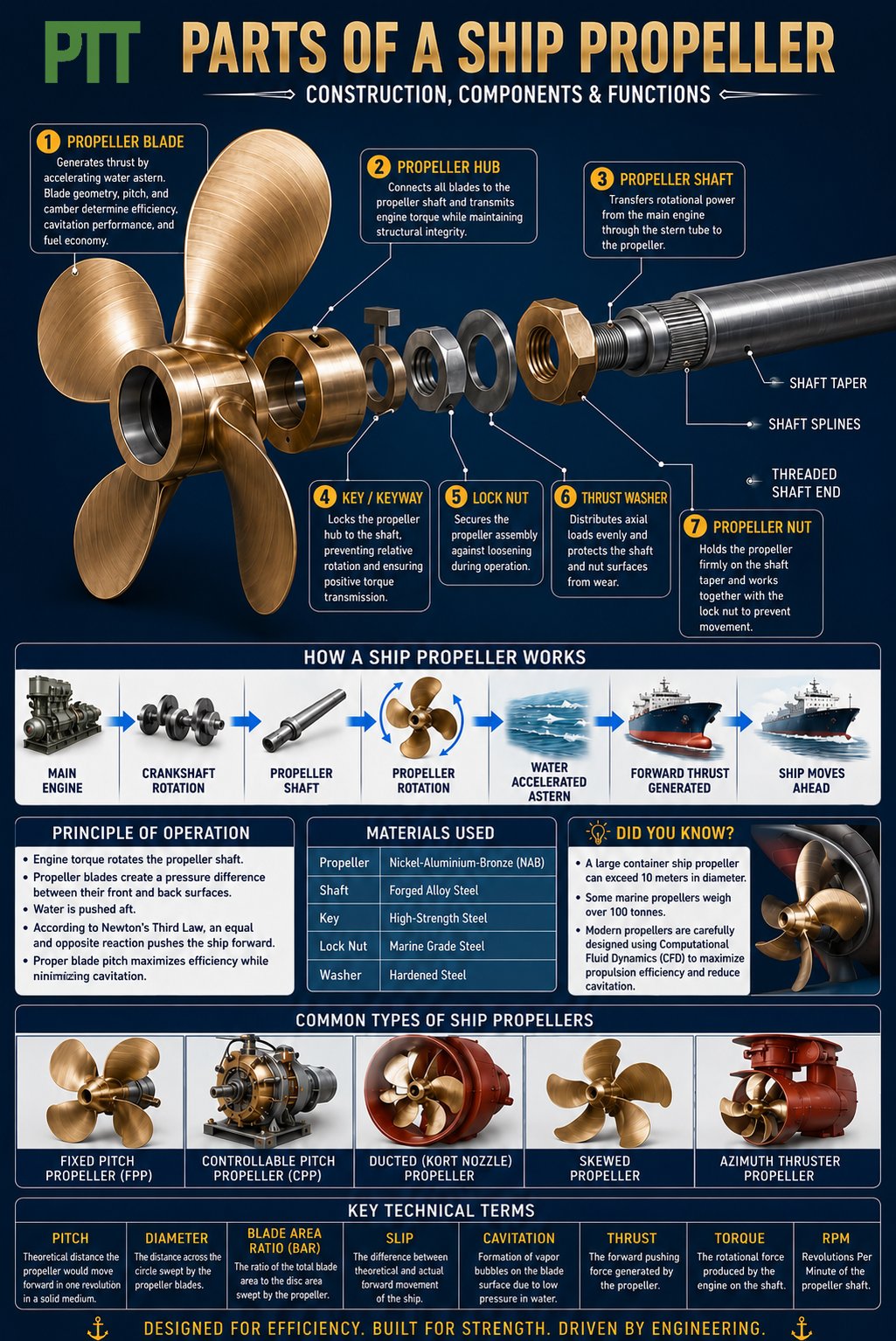
- SHIP FUEL TYPES: POWERING THE GLOBAL FLEET 🌍
Not all ships use the same fuel. Each marine fuel has unique characteristics that affect engine performance, operating costs, emissions, and compliance with international environmental regulations.
Here's a quick overview:
🛢️ HFO (Heavy Fuel Oil)
High-viscosity residual fuel with high energy density. Widely used on large ocean-going vessels but produces higher SOₓ, NOₓ, and particulate emissions unless paired with exhaust gas cleaning systems.
- VLSFO (Very Low Sulfur Fuel Oil)
Contains a maximum sulfur content of 0.50%, making it compliant with IMO 2020 regulations. It has become the most common marine fuel for ships operating without scrubbers.
- ️ MDO (Marine Diesel Oil)
A marine distillate fuel with lower viscosity than HFO, providing cleaner combustion and reliable performance for a wide range of marine engines.
🌊 MGO (Marine Gas Oil)
A premium low-sulfur distillate fuel commonly used in Emission Control Areas (ECAs). It offers significantly lower SOₓ and particulate emissions while improving combustion efficiency.
💨 LNG (Liquefied Natural Gas)
Stored at approximately −162°C, LNG produces very low sulfur and particulate emissions while reducing CO₂ compared to conventional fuel oils. However, it requires specialized storage systems and dedicated engine technology.
- ️ Did You Know?
There is no single "best" marine fuel. The ideal choice depends on vessel type, engine design, trading routes, fuel availability, operating costs, and environmental regulations.
🌍 As the maritime industry moves toward decarbonization, cleaner fuels and innovative propulsion technologies will continue shaping the future of global shipping.
- Which marine fuel do you think will dominate the shipping industry over the next decade? Share your thoughts below!
13 . ⚓ Ship Propellers: The Driving Force Behind Every Voyage 🚢🌊
A ship's propeller is the final link in the propulsion system, converting the engine's rotational power into thrust that moves the vessel through the water. Its design and efficiency have a direct impact on a ship's speed, fuel consumption, and overall performance.
- Main Components:
- Propeller Blades – Generate thrust by accelerating water astern
- Propeller Hub – Connects the blades and transfers engine torque
- Propeller Shaft – Delivers rotational power from the main engine
- Key & Keyway – Prevents relative movement between the shaft and hub
- Lock Nut & Propeller Nut – Secure the propeller assembly in place
- Thrust Washer – Distributes axial loads and protects contact surfaces
- ️ How It Works: The main engine rotates the propeller shaft, causing the propeller to spin. As the blades push water backward, an equal and opposite reaction force drives the ship forward, following Newton's Third Law of Motion.
- Did You Know?
- Large merchant ship propellers can exceed 10 metres in diameter.
- Most propellers are made from Nickel-Aluminium Bronze (NAB) for excellent strength and corrosion resistance.
- Proper propeller design helps reduce cavitation, improve fuel efficiency, and enhance vessel performance.
- Save this post to expand your marine engineering knowledge and share it with fellow seafarers!
14 . Can you identify all the pipeline colors used in a ship’s engine room? Test your marine knowledge below!